Smiley Cat: A Playful Script for Bold Branding
When I first opened the folder for Smiley Cat, I wasn't expecting much. The market is flooded with handwritten scripts that try too hard to be cute, often ending up looking childish or illegible. However, after spending a few hours testing this typeface across various mockups, my initial skepticism turned into genuine appreciation. This isn't just another novelty font; it is a functional design tool with a distinct personality that can elevate specific types of projects if handled with care.
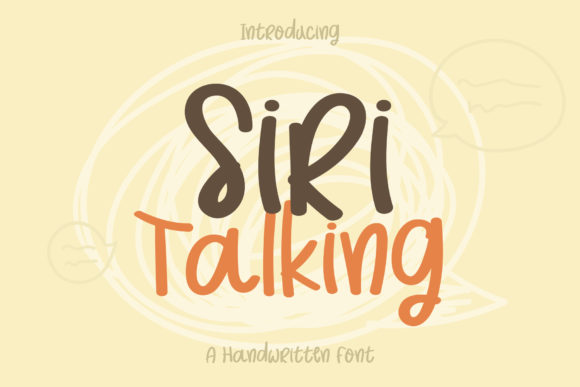
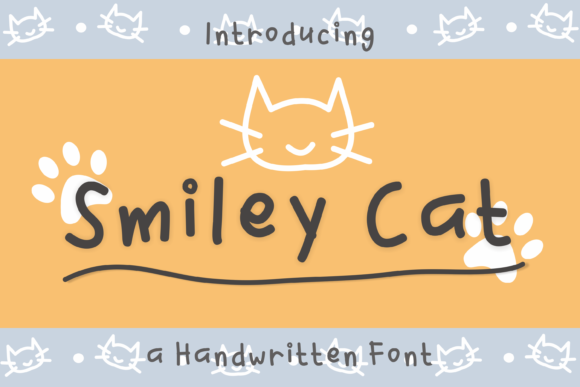
The first impression of Smiley Cat is one of unpretentious joy. The letterforms possess a bouncy, rhythmic quality that feels organic rather than mechanically generated. There is a slight irregularity in the stroke weight and baseline that mimics the natural flow of a marker pen, giving it an authentic handwritten font vibe. It exudes warmth and approachability, making it an excellent candidate for brands that want to appear friendly and accessible without sacrificing style. The visual personality is undeniably playful, yet it maintains enough structural integrity to avoid looking messy.
Real-World Application in Brand Identity
In the realm of logo design and brand identity, Smiley Cat shines when used for businesses targeting a younger demographic or those in the lifestyle sector. I tested it for a hypothetical coffee shop and a children's boutique, and the results were promising. The font creates an immediate emotional connection, suggesting creativity and fun. For packaging design, particularly on product labels for artisanal goods like jams, soaps, or baked items, this creative font adds a handmade touch that implies quality and care.
However, versatility is key for any commercial font. I pushed Smiley Cat into web design scenarios, specifically for website headers and hero sections. It performs exceptionally well here, drawing the eye instantly. For social media graphics and digital ads, the font's high x-height ensures that short phrases pop against busy backgrounds. It is also a strong contender for editorial design when used as a pull-quote element or a section breaker, adding a splash of color to otherwise rigid layouts.
For the crafters and digital sellers out there, this display font is a goldmine for printable design projects. Whether you are creating invitations, greeting cards, or merchandise like t-shirts and tote bags, the character of Smiley Cat translates well to physical media. It works beautifully in Canva templates and is robust enough for cutting machines like Cricut, provided the details are not scaled down too far.
Strategic Limitations and Readability
Despite its charm, Smiley Cat is not a universal solution. As a designer, I must emphasize where this font should be used carefully. It is strictly a display typeface. Attempting to use it for body copy or long paragraphs would be a disaster for readability. The connected strokes and varying angles make it difficult to parse in small sizes. It belongs in large headlines, short phrases, brand marks, and decorative accents.
When considering premium packaging or high-end corporate materials, one must tread lightly. While Smiley Cat from Script Amp is polished, its inherent playfulness might undermine a message that requires serious authority or luxury minimalism. It is best suited for contexts where audience trust is built through relatability rather than exclusivity. In terms of hierarchy, it should always play the role of the protagonist, supported by more neutral typefaces.
Pairing and Technical Considerations
To truly harness the potential of Smiley Cat, font pairing is essential. I found that it contrasts beautifully with a clean sans serif font. The geometric rigidity of a sans serif grounds the whimsical nature of the script, creating a balanced and modern typography system. Alternatively, pairing it with a sturdy serif font can evoke a more traditional, editorial feel, perfect for magazines or blog headers.
From a technical standpoint, here are my practical notes for fellow designers:
- Test in Black and White: Before committing to a color palette, render your designs in grayscale. This ensures the weight of the letters holds up without relying on color contrast.
- Check Small-Size Readability: Print your designs at actual size. What looks clear on a 27-inch monitor may blur when printed on a small product label.
- Mockup Reality: Always place the text on real-world mockups. Seeing Smiley Cat on a textured paper background or a curved bottle reveals how the ink might spread or how the perspective affects legibility.
- Case Sensitivity: Compare uppercase and lowercase usage. While the lowercase offers that fluid script connection, the uppercase glyphs provide a different energy that might suit certain logos better.
- Spacing Review: Adjust the kerning manually. Script fonts often need tweaking to ensure the connections between letters look natural and not too tight or loose.
- Licensing Verification: Always confirm the commercial licensing terms before using this in client work or digital products for sale. Ensure the license covers the specific medium, whether it's web, print, or merchandise.
Final Verdict on Professional Use
Ultimately, Smiley Cat is a specialized tool in the designer's arsenal. It excels at injecting personality and visual mood into a project. It drives engagement by feeling human and approachable, which is increasingly valuable in a digital landscape dominated by sterile, automated aesthetics. When used within its limits—focusing on headlines, logos, and short bursts of text—it enhances brand consistency and aids in recognition.
For small business owners and marketers looking to differentiate their brand voice, this premium font offers a cost-effective way to achieve a custom look. It avoids the generic feel of system fonts while remaining accessible. Just remember, the success of Smiley Cat lies in restraint. Let it sing in the headlines, but let the supporting cast handle the heavy lifting of information delivery. With the right strategy, it transforms from a simple set of characters into a vital component of a memorable brand identity.